
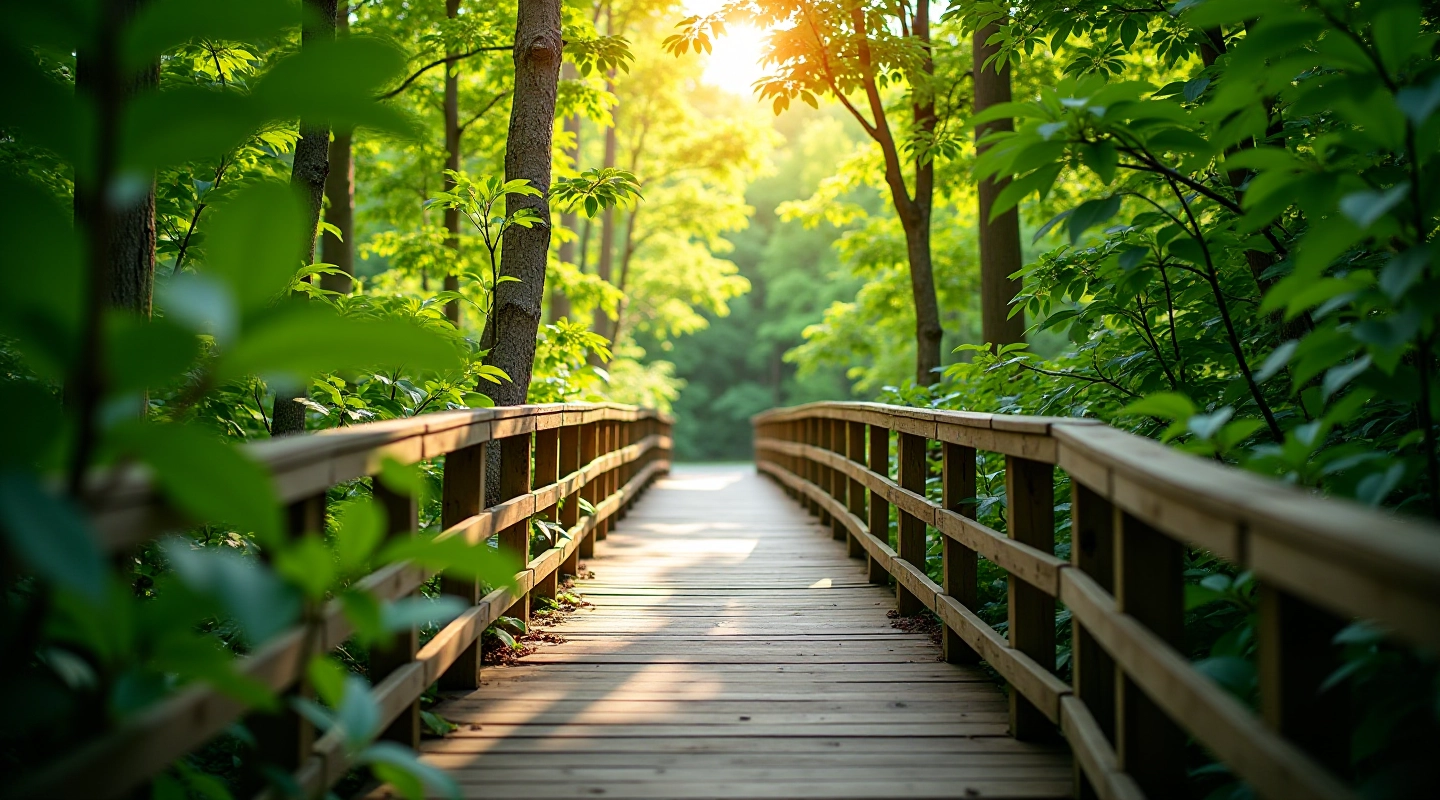
Anykščiai Treetop Trail Guide
Step-by-step walkthrough of the elevated wooden path with rest stops, difficulty levels, and what to expect on each section of this unique forest trail experience.
Spring blossoms transform familiar paths into gardens. Summer shade keeps you cool on longer walks. Autumn colors peak in October. Winter accessibility changes everything. Here's what you need to know about walking routes across all four seasons.
Author
Editorial Team
Written by the Anykščiai Orchard editorial team, focused on practical, clear guidance for countryside walks and orchard experiences.
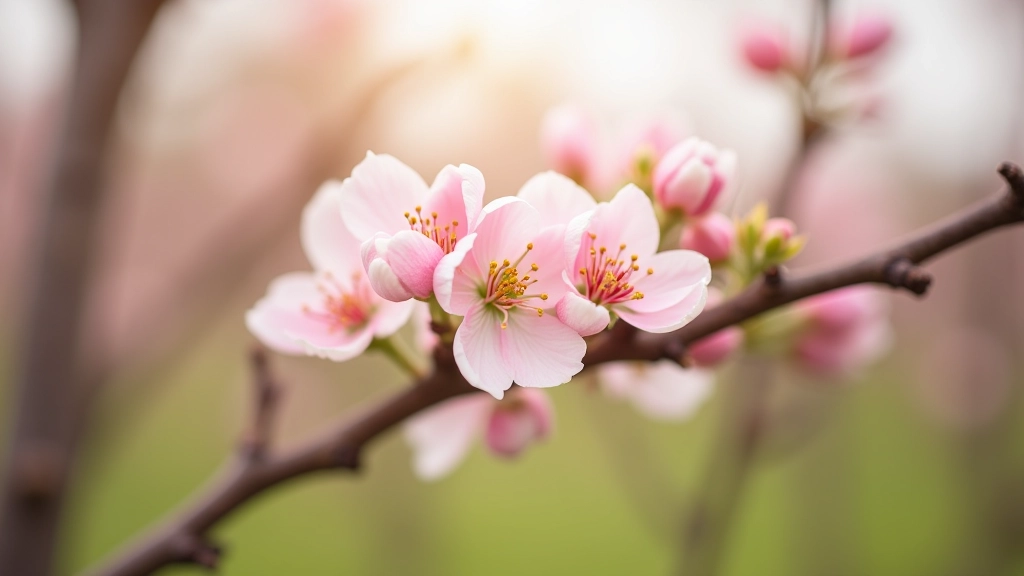
March through May brings the countryside alive. Fruit trees start flowering in late April — apple blossoms are incredible around Anykščiai. The Treetop Trail becomes a photographer's dream. But here's what matters practically: ground conditions change daily.
Spring rain means muddy sections. You'll want proper footwear with grip — not just regular trainers. The wooden boardwalk sections stay relatively dry, but grass verges turn to mud within hours of rain. Temperatures range from 8-15°C, so layering works better than a heavy coat. You'll get warm walking, then cool down during rest stops.
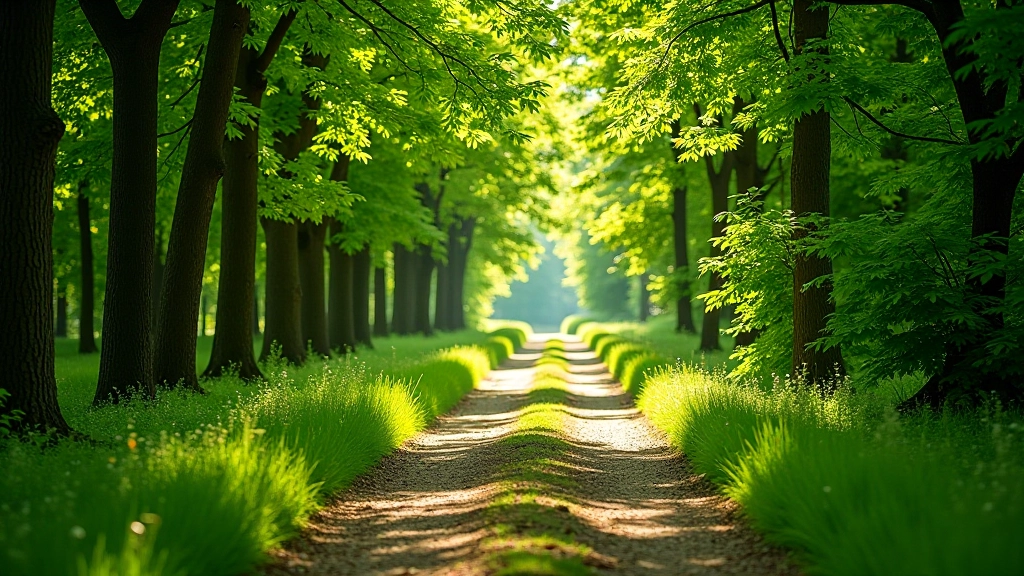
June to August is the busiest season for walking. Temperatures hit 20-25°C regularly. The big advantage? You've got 15+ hours of daylight. The big challenge? Heat management on longer walks.
The Treetop Trail becomes essential in summer. That elevated wooden path offers constant shade from the surrounding forest. Ground-level orchard routes get intense midday sun. Most walkers start by 7-8am to avoid peak heat between 1-4pm. Water becomes critical — you'll need 1.5-2 liters for a 2-hour walk in these conditions. The rest areas with benches are actually important infrastructure, not just nice-to-have features.
Summer tip: Bring more water than you think you'll need. Dehydration sneaks up on you when you're enjoying yourself. Keep electrolyte tablets or energy gels for longer walks.
Choose activities that match your fitness level and current health. Check local conditions and weather forecasts before travelling — trail access can change seasonally. If you have any health concerns or haven't walked regularly before, it's worth speaking with your GP before starting a new activity. Bring appropriate gear for the season, stay hydrated, and don't push yourself beyond comfortable pace.
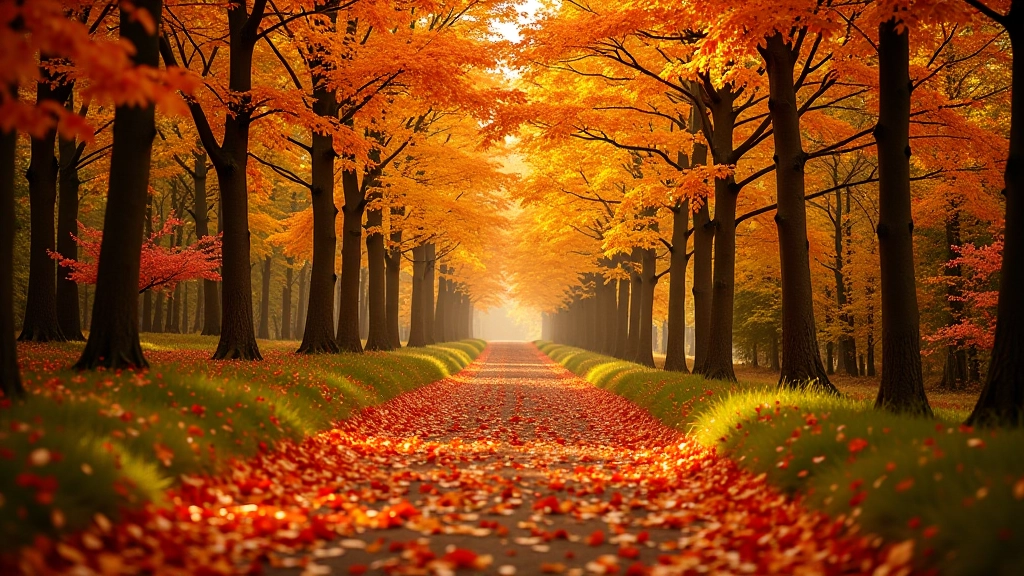
September through November is many people's favorite season for walking. Temperatures drop to 10-18°C. The color change is dramatic — leaf color peaks around mid-to-late October. The air feels fresh without summer heat.
But daylight shrinks fast. In September you've still got 12 hours. By November it's down to 8 hours. This matters because wet leaves create slippery surfaces, and you don't want to be navigating slick sections in fading light. The wooden boardwalk can be treacherous when leaves pile up and get damp. Start walks earlier than you think necessary. Waterproof layers matter again — rain mixes with temperature drops. Wind becomes a factor, especially on exposed sections of the Treetop Trail.
The orchard paths fill with fallen fruit. There's something pleasant about that, but watch your footing. Rotting apples attract insects and can be slippery underfoot.
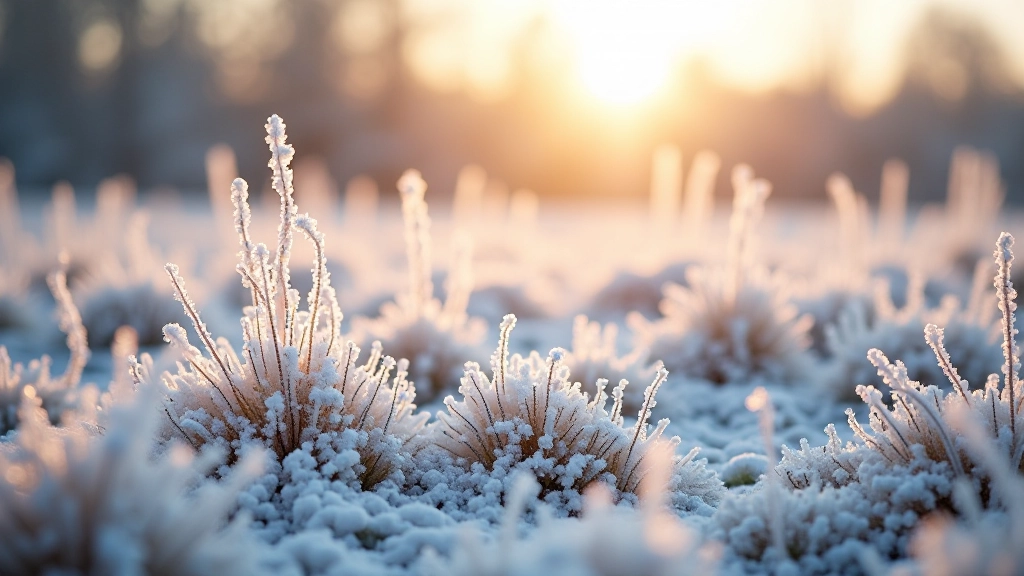
December to February transforms the routes completely. Snow and ice aren't regular in this region, but they happen. Temperatures hover around 0-5°C. What changes most is maintenance and accessibility.
Some sections close seasonally due to tree management and safety. The Treetop Trail's elevated sections might have restricted access during heavy snow. Ground-level orchard routes stay accessible longer, but icy patches form in shaded spots. Winter walkers often find quieter experiences — fewer people means you get to enjoy routes without crowds.
Daylight is precious. You've got roughly 7 hours between sunrise and sunset. Reflective clothing or a headlamp becomes practical safety equipment, not optional. Wind chill matters more than actual temperature. Layering is essential — you can always remove a layer, but you can't add one you didn't bring.
Explore more countryside walking experiences in the Anykščiai region
Step-by-step walkthrough of the elevated wooden path with rest stops, difficulty levels, and what to expect on each section of this unique forest trail experience.
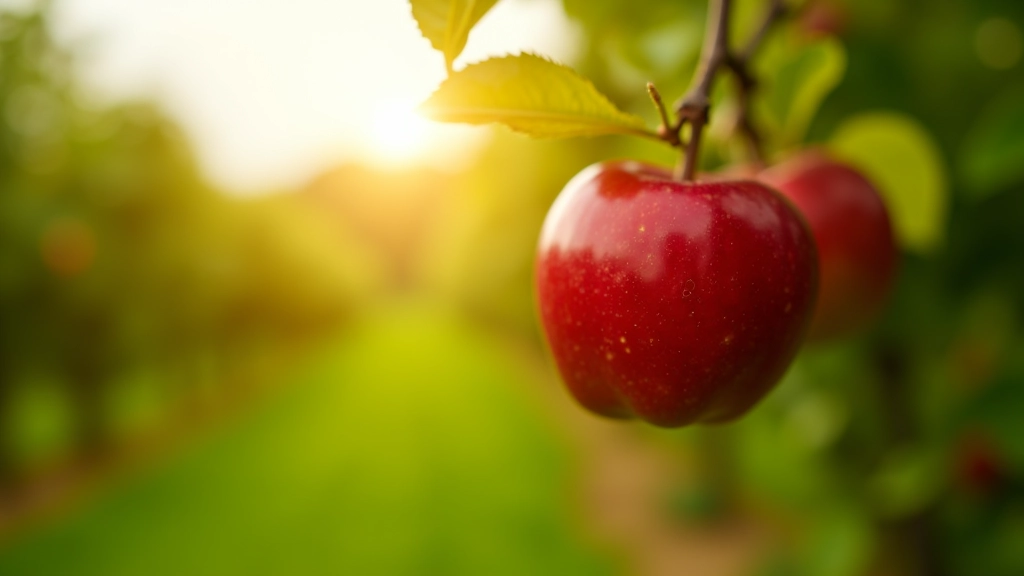
Explore three scenic orchard routes that blend relaxation with nature. Each walk offers different difficulty levels and seasonal highlights throughout the year.
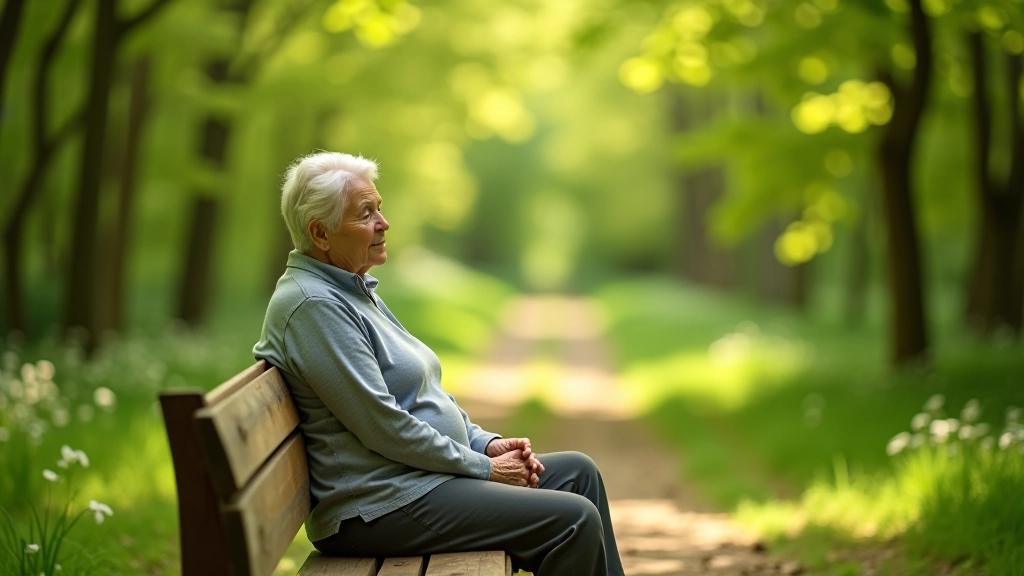
How to enjoy longer walks without overexertion. We cover pacing strategies, proper rest interval timing, and choosing routes that match your fitness level comfortably.
Every season works for walking in the Anykščiai region — it's really about matching the season to what you enjoy and what your body handles well. Spring walkers get blossoms and energy. Summer walkers need strategy about timing and hydration. Autumn walkers get the colors and cooler temperatures. Winter walkers find peace and quiet paths.
The routes don't change, but how you experience them shifts dramatically. A 2-hour walk feels completely different in July versus January. Pay attention to the season you're choosing. Bring gear that matches it. Start walks at the right time of day. Rest when you need to. That's the whole approach — know what the season demands, and you'll have walks you actually want to repeat.
Check out our detailed guides for specific routes and seasonal considerations.
Browse All Walking Routes