
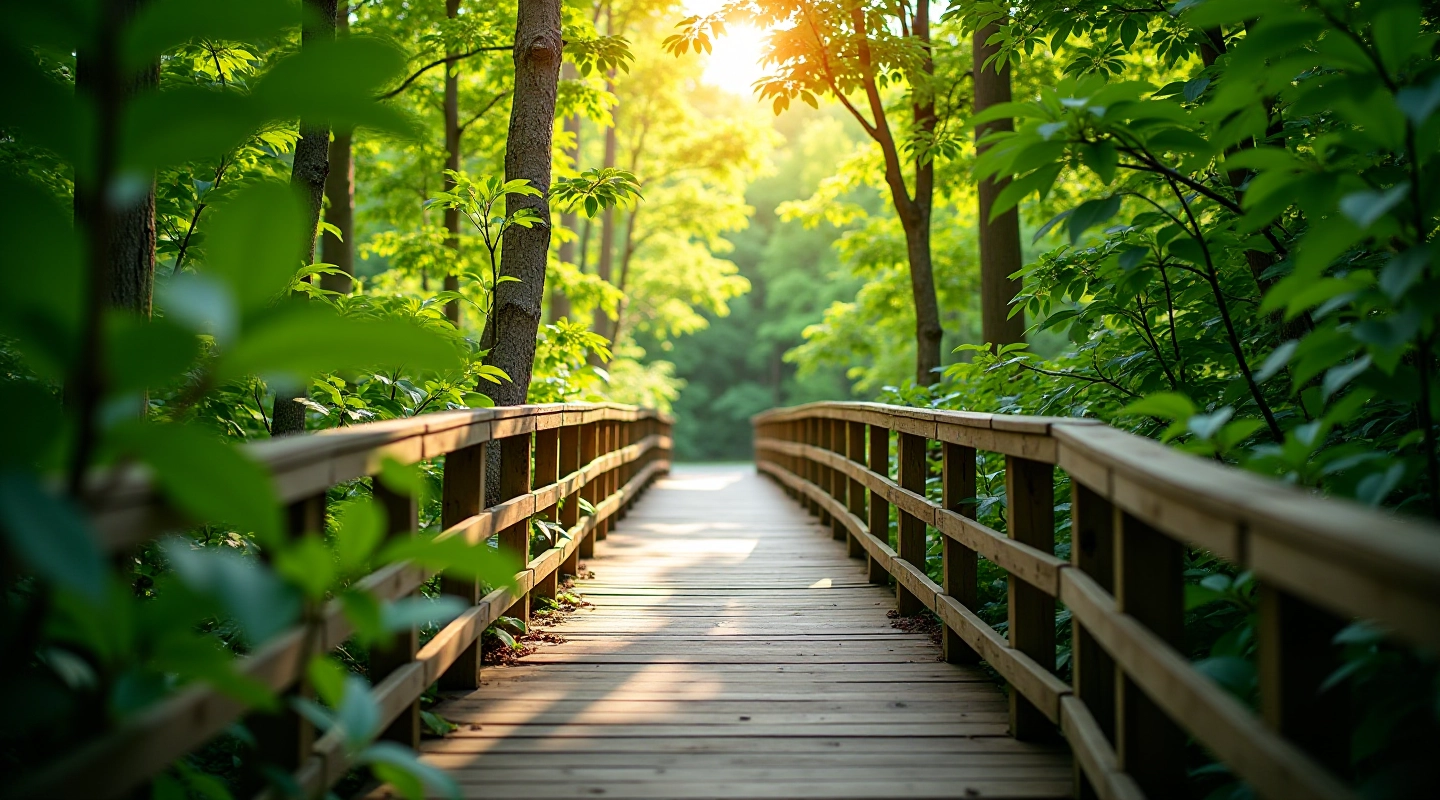
Anykščiai Treetop Trail Guide
Step-by-step walkthrough of the elevated wooden path with rest stops, difficulty levels, and seasonal conditions.
Read Guide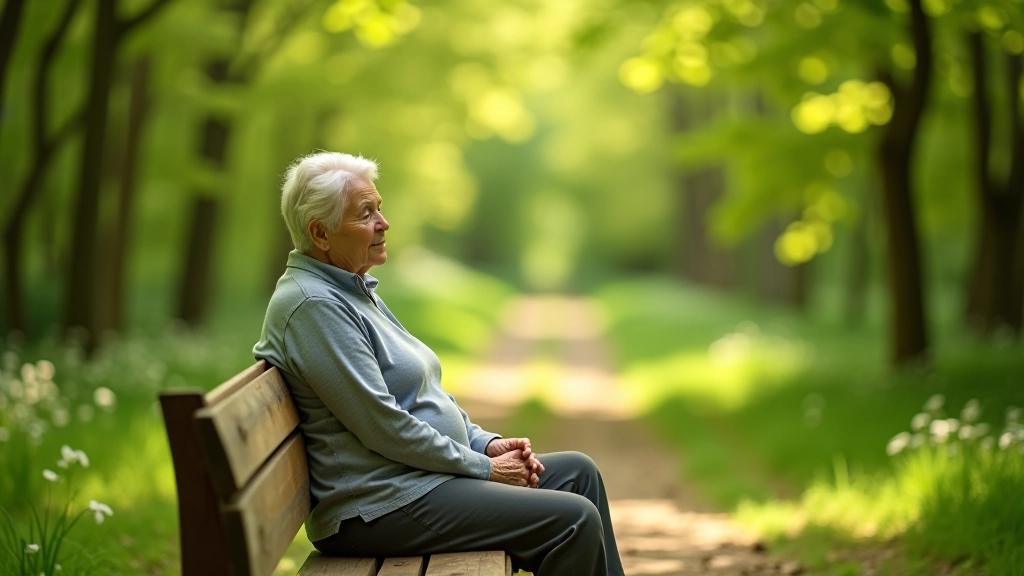
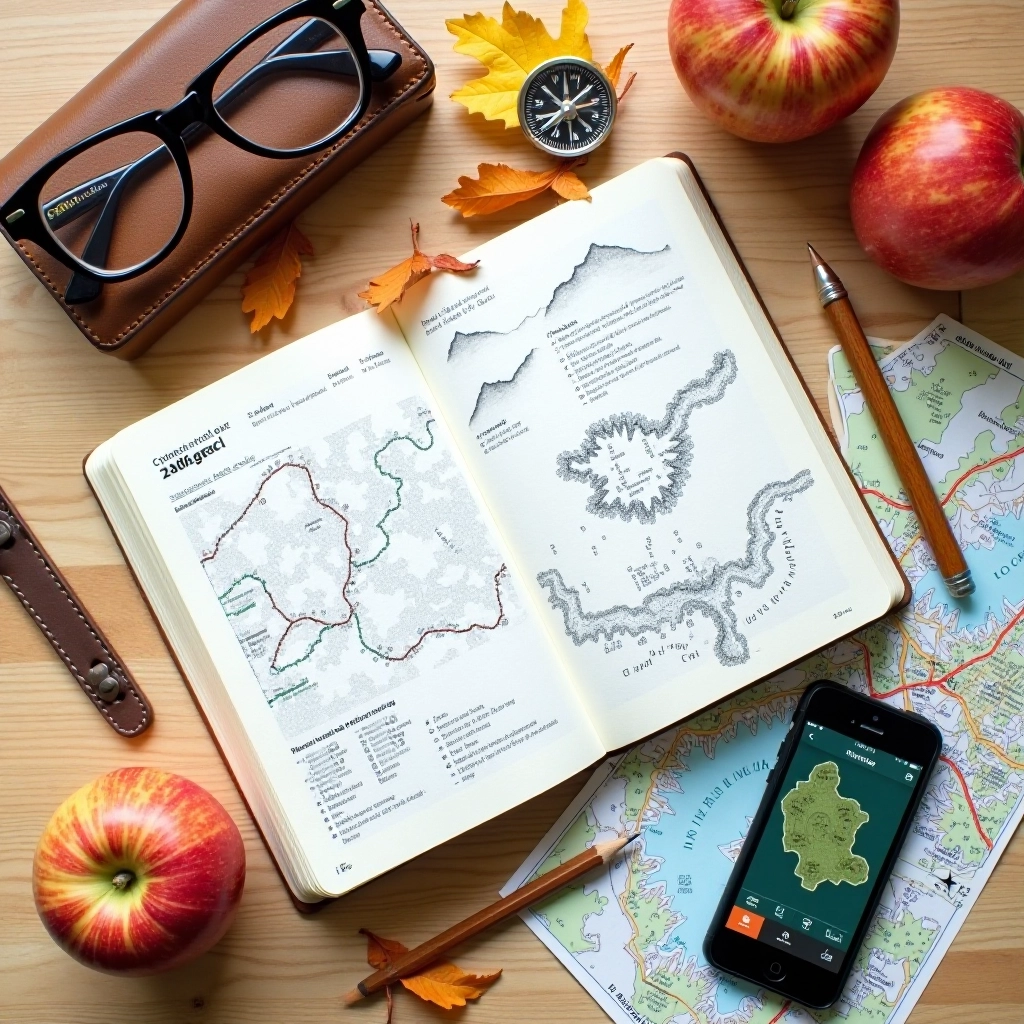
Walking is one of the best activities for staying active and enjoying the outdoors. But here's the thing — it's easy to push too hard and end up exhausted or sore. We're going to walk you through practical strategies that'll help you enjoy longer distances comfortably, find the right pace for your body, and know when to rest without feeling guilty about it.
Whether you're tackling the Anykščiai Treetop Trail or exploring local orchard paths, these tips are designed around real experience. You'll learn how to warm up properly, pace yourself like you mean it, and recognize the signs that your body's telling you to slow down.
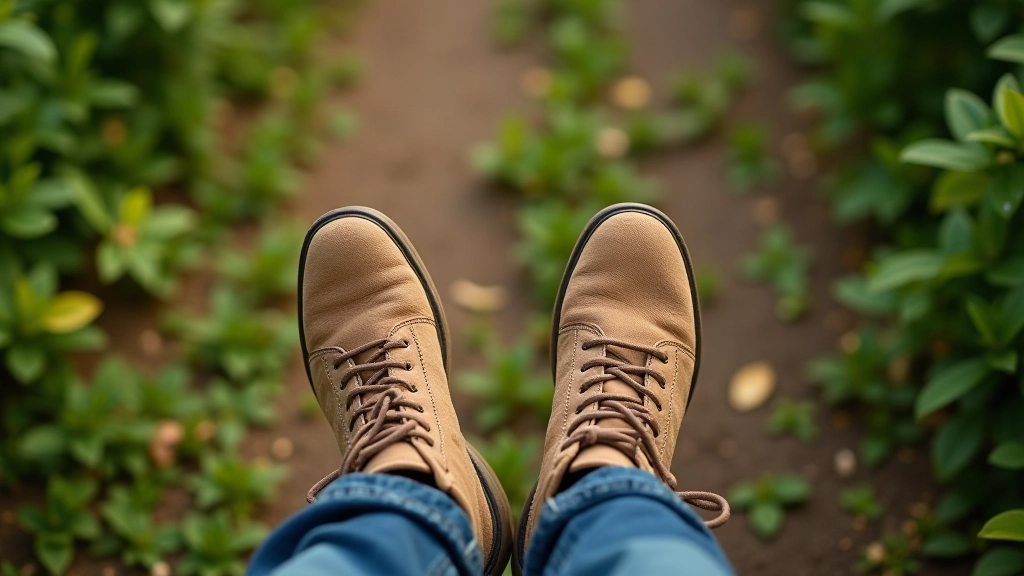
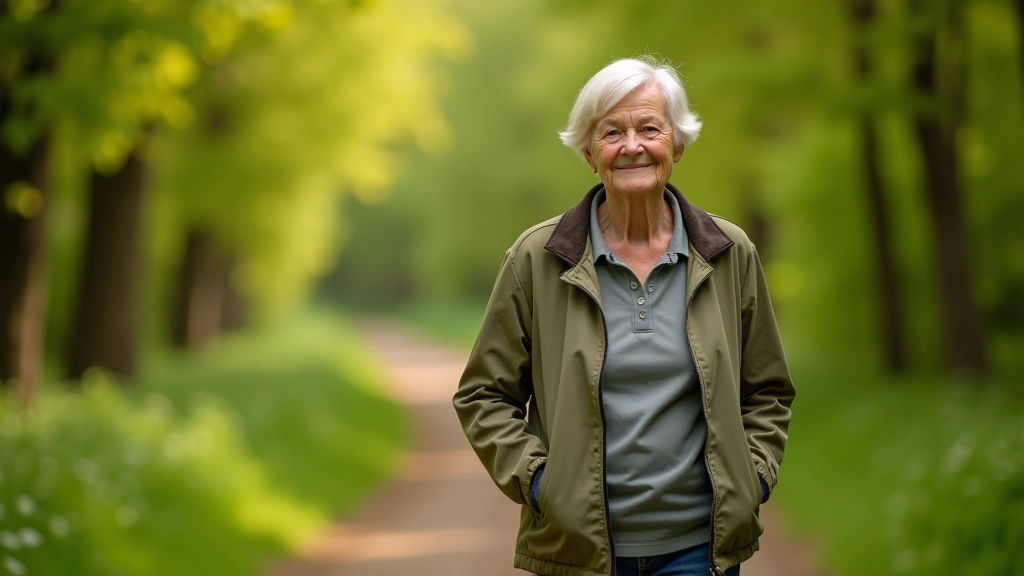
Pace matters more than distance. You should be able to hold a conversation while walking — if you're breathing too hard to speak, you're going too fast. Most people don't realize they've found their natural pace until they actually test it. Try walking for 10 minutes at different speeds and notice when talking feels natural.
The "conversational pace" rule works because it puts you in Zone 2 aerobic training — sustainable, not stressful. Your heart rate stays elevated enough to benefit your fitness without causing fatigue. On flat paths like orchard walks, you'll typically move at 2.5 to 3 miles per hour. On slight inclines? Slower's fine. There's no prize for speed.
Start each walk with 5 minutes at an easy stroll. This warms up your muscles and gets your cardiovascular system ready. You'll notice the difference — that first 5 minutes feels harder, then your body settles in. Don't skip this warm-up thinking you're saving time. You're actually preventing stiffness and soreness later.
Resting isn't weakness — it's strategy. Plan rest stops before you need them. The Anykščiai trails have benches positioned roughly every 800 meters, which is perfect. If you're walking for 45 minutes, you'll want 2-3 brief stops. Not all of them need to be sitting down. Sometimes just stopping for 30 seconds to catch your breath and look at the view makes a difference.
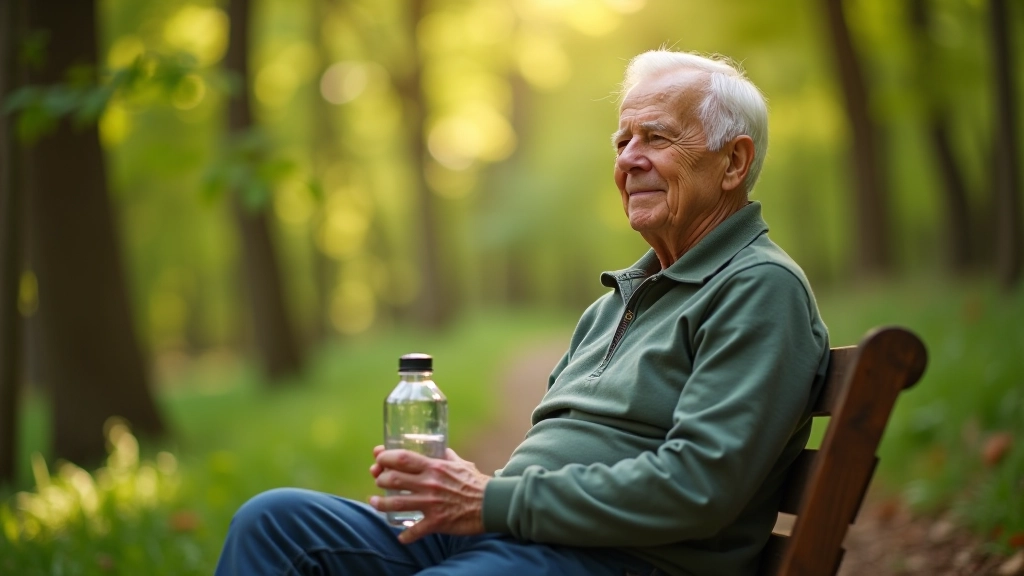
When you do sit, sit for 2-5 minutes. Longer than that and your muscles start tightening again. Use the time to hydrate — bring a water bottle, not just for thirst but for pacing. Sipping water gives you a natural reason to pause without overthinking it. During summer months, you'll want to rest more frequently because heat adds to exertion.
Don't wait until you're exhausted to rest. That's how you end up frustrated and sore. Instead, rest when you're feeling good. You're building endurance gradually, not proving anything to anyone. Most people who stick with walking long-term do it because they've learned this: consistent, moderate effort beats occasional heroic efforts.
Step-by-step walkthrough of the elevated wooden path with rest stops, difficulty levels, and seasonal conditions.
Read Guide
Explore three scenic orchard routes that blend relaxation with nature. Each walk includes distance, terrain, and seasonal highlights.
Explore Routes
Spring blossoms, summer shade, autumn colors, winter accessibility. Find out which routes work best in each season.
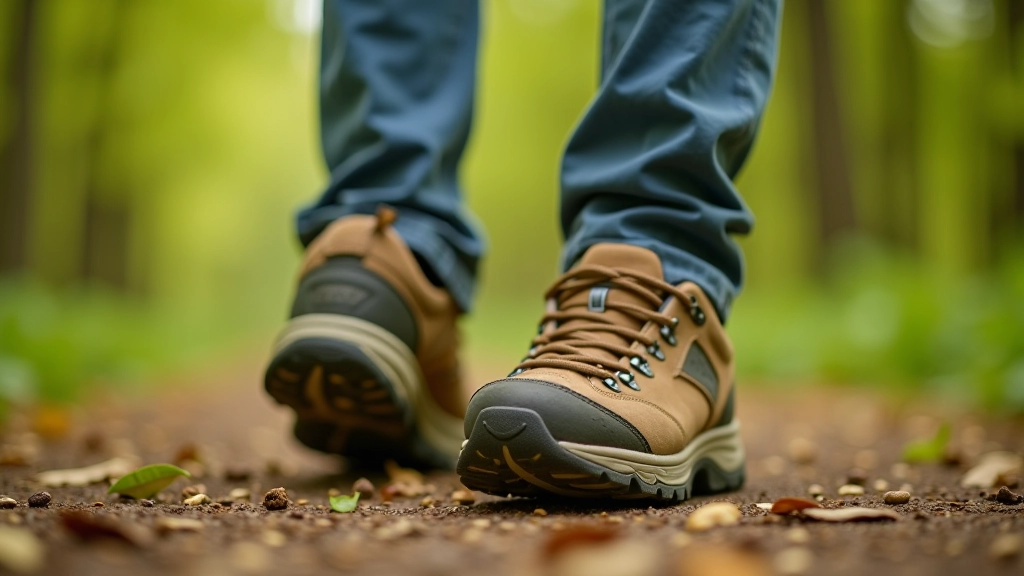
View SeasonsYou can't walk comfortably in the wrong shoes. It's that simple. Good walking shoes have cushioning in the heel and arch support that keeps your feet stable. You don't need expensive brands — you need shoes designed for walking, not casual sneakers or dress shoes.
Test shoes by walking around the shop for at least 10 minutes. Your feet swell slightly during the day, so shop in the afternoon. There should be about a thumb's width of space between your longest toe and the shoe end. Tight shoes cause blisters and pain. Loose shoes cause blisters and instability. Both are avoidable.
Replace walking shoes every 300-400 miles — roughly every 6-12 months if you're walking 3-4 times weekly. Worn-out cushioning stops protecting your joints and causes foot and knee pain. Socks matter too. Merino wool or synthetic blend socks (not cotton) keep moisture away and prevent blisters. You'll feel the difference on longer walks.
Choose activities that match your fitness level, check local conditions before travelling, and speak with your GP if you have health concerns before starting a new activity. Walking is a low-impact activity suitable for many people, but individual circumstances vary. Listen to your body and adjust pace and distance according to how you feel.
Walking doesn't require perfect conditions or special talent. It requires showing up consistently and respecting what your body tells you. You're not training for a race. You're building a habit that keeps you active, connected to nature, and feeling capable.
The orchard paths near Anykščiai are beautiful precisely because they're not rushed. Take your time. Stop when you want to. Notice the trees, the light, the sounds. That's where the real benefit lives — not in distance covered or speed achieved, but in the rhythm of walking and the quiet satisfaction of moving your body well.
Start with what feels comfortable. Add distance gradually — about 10% more each week if you're feeling good. Rest when you need to. You'll be surprised how far you can walk when you're not fighting yourself. Happy trails.